
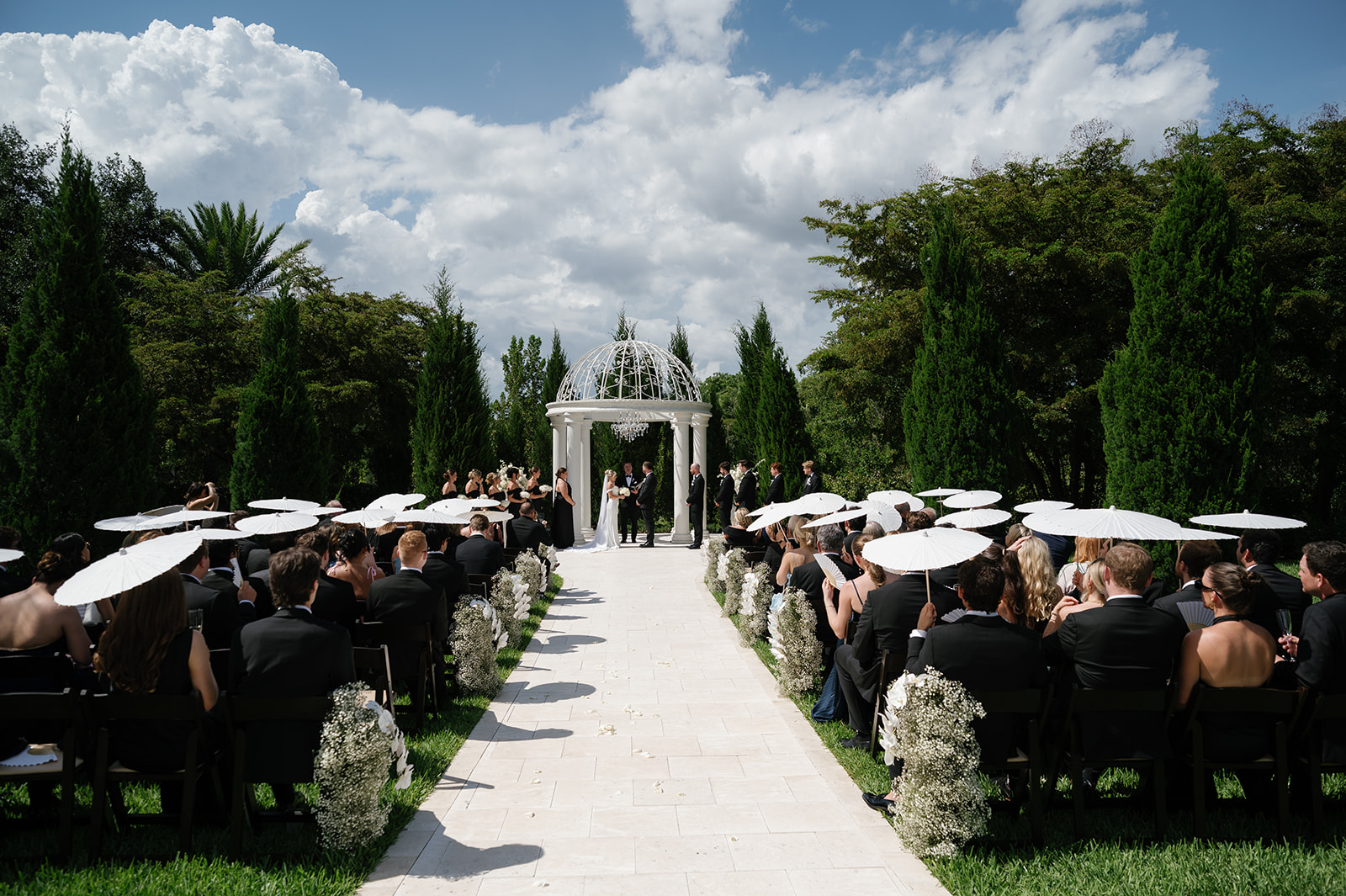
Your wedding photos will be some of your most treasured keepsakes. They let you look back on the people, details, and moments that made your celebration unique. Your photographer will naturally capture the big moments, like your first kiss, your first dance, and the walk back down the aisle together.
A wedding photography shot list helps your photographer know which moments matter most to you. It could be a photo with your grandmother, a family heirloom in your bouquet, a group of friends reunited after years, or your dad’s reaction when he sees you for the first time.
Planning these photos ahead of time helps ensure you don’t miss the moments that matter most.
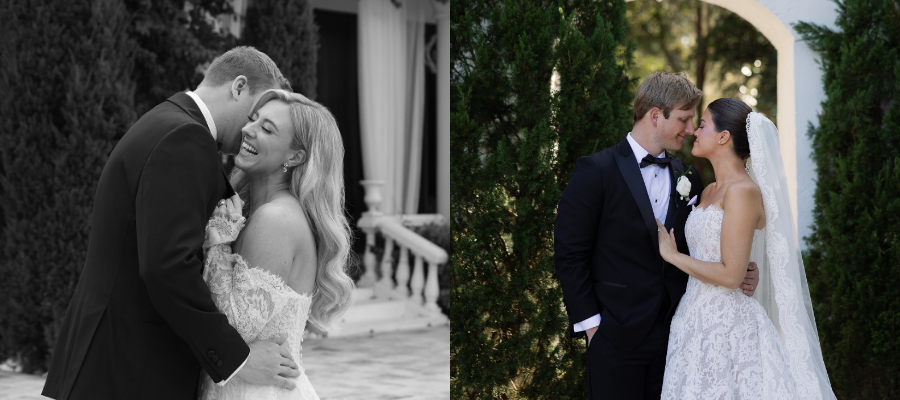
What Should Be on Your Wedding Photo Shot List?
You don’t have to list every single photo. An experienced wedding photographer already knows how to capture the day’s flow. Instead, focus your list on what’s personal and unique to your wedding. Start by thinking through:
- Meaningful details and heirlooms
- Getting ready moments you want captured
- First looks or private exchanges
- Specific family portrait combinations
- Wedding party portraits
- Important ceremony moments or traditions
- Reception details before guests enter
- Special dances, speeches, or reception traditions
- People you absolutely want a photograph with
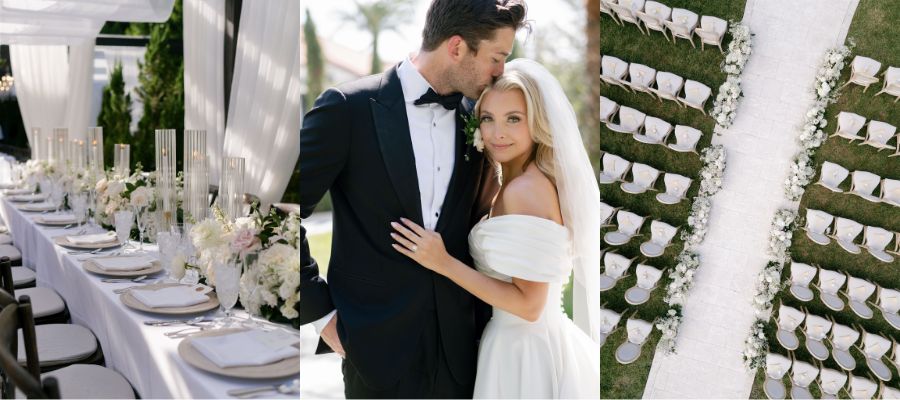
Find Wedding Photo Inspiration
After you decide which moments you want photographed, think about how you want your wedding photos to feel. Do you love candid movement and blurred dance floor photos? Editorial portraits? Quiet getting-ready moments? Flash photography at the reception? Romantic photos that feel effortless and unposed?
We’ve gathered some of our favorite wedding photo ideas on the Faithful Weddings Pinterest board to give you a place to start.
Use it for inspiration. Save the images you love, notice what draws you in, and share those ideas with your photographer as you discuss your vision.
Be Specific About Family Photos
Creating a detailed family portrait list before your wedding is one of the most helpful things you can do. Instead of just writing ‘Bride with immediate family,’ list the exact group and include everyone’s names.
For example: Bride + Mom (Susan) + Dad (Michael) + Sister (Emily)
Go through each group you want photographed and write them out. This makes it much easier to organize family portraits on the wedding day and helps your photographer or planner gather everyone without you needing to manage it.
Planning Pro Tip: We also recommend letting your family know ahead of time which photos they will be in and sharing the timeline.
It’s also helpful to share any family dynamics in advance so your planning and photography teams can handle these portraits with care.
Make Time for the Details
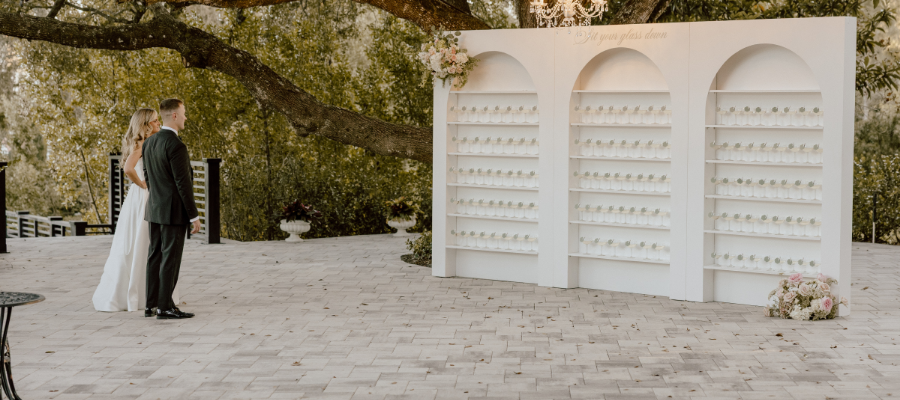
All the little details you’ve spent months choosing, like your flowers, invitations, tablescapes, signage, and linens—all deserve to be photographed too. If possible, give your photographer a few quiet minutes to photograph your ceremony and reception spaces before guests arrive.
This is a small detail to keep in mind when planning your wedding-day timeline. Once guests enter, the room starts to change.
Your Shot List and Timeline Go Hand in Hand
Knowing which photos you want is just one part of planning. Your wedding timeline also needs to allow enough time to capture them.
A first look needs its own time slot. A longer family portrait list might take extra time. Sunset portraits should happen at just the right moment in the evening. Reception details are best photographed before guests come in. Your planner and photographer can work together to fit these moments into your day, so your wedding doesn’t feel like a nonstop photoshoot.
After you’ve shared the people, details, and style that matter most to you, trust your photographer to capture the rest as the day unfolds. Some of your favorite photos might end up being moments you never thought to put on your list. We always love the candid photos the most.
Download our free Wedding Photography Shot List, an easy guide to help you plan the portraits and moments you want captured on your wedding day. Use it to plan your must-have photos, organize family portraits, and prepare for your final photography meeting without worrying you’ve missed anything.

comments +